State · Middle East and North Africa

Babylonia

1901 – 539 BCE · 1,362 years

Babylon's Akkadian-speaking state: Hammurabi's brief empire, long foreign rule, a revival under Nabopolassar, and conquest by the Achaemenid Empire.

Babylonia was an Akkadian-speaking state centred on Babylon in central-southern Mesopotamia, founded under Amorite rulers c. 1894 BCE. Hammurabi made it the region's leading power, but his short-lived empire broke up after his death. Kassites, native dynasties and Assyrian kings followed, yet Babylon stayed a great cultural centre, keeping Akkadian for government and Sumerian for sacred texts. In 539 BCE it passed to the Achaemenid Empire.

What the record holds

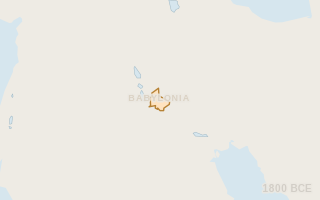
Babylonia began in the 20th century BCE.↑ When the borders dataset first draws it, in 1800 BCE, it held 7,800 km².↓

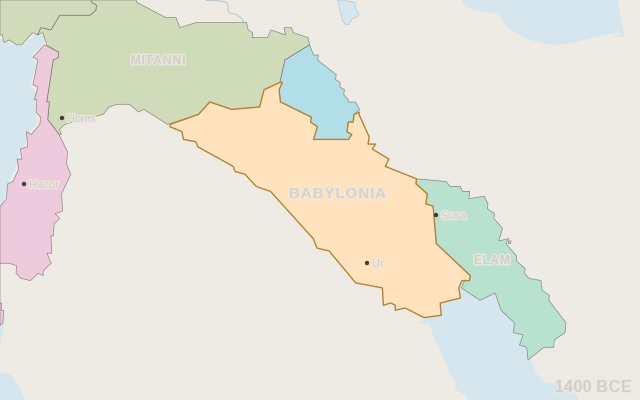
It reached its greatest extent in 1400 BCE: 226,600 km².↓ The record names 108 rulers in its line, covering 1894 BCE – 539 BCE, the median reign 5 years; 3 of 36 handovers were irregular.↓ The best known of them are Hammurabi, Nebuchadnezzar II and Ashurbanipal.↓ Most of the 5 rows the atlas files under it are people.↓

Its own article says it was conquered by the Achaemenid Empire, in 539 BCE.↓

From Wikipedia’s article, retold · CC BY-SA 4.0

1,362 years

Longer than Indus Valley Civilisation, shorter than Goths

227,000 km²

At its height in 1400 BCE · about the size of Laos

108 rulers

the King of Babylon

Map: Babylonia in 1400 BCE, its borders in gold among its neighbours
1600 BCE1400 BCE1200 BCE1000 BCE800 BCE
Beside it on the map in 1400 BCE: Mitanni, Elam, New Kingdom of Egypt, Assyria and Hittites.How far it reached, year by year: its ground inside the borders Cliopatria draws (CC BY 4.0), measured on an equal-area grid; the map shows it at its largest, with the cities of the year.

The story

Four acts, 1901 – 539 BCE

Babylonia in 1596 BCE, at the end of act I
I1901 – 1595 BCE

Amorite kings and Hammurabi

The Amorite chieftain Sumu-abum takes the small city of Babylon from Kazallu c. 1894 BCE and makes it a state. Hammurabi, its sixth Amorite ruler, turns Babylon into a great city, builds a bureaucracy with taxes, expels the Elamites and conquers southern Mesopotamia. His empire crumbles after him, and the Hittites under Mursili I sack Babylon.

Watch this act on the live map, from 1901 BCE
Babylonia in 1027 BCE, at the end of act II
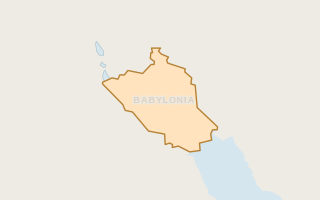
II1595 – 1026 BCE127,000 → 133,000 km²

Kassites and native kings

Gandash of Mari founds the Kassite dynasty; the Kassites, newcomers from the Zagros Mountains, speak a tongue neither Semitic nor Indo-European. After a brief Elamite hold, Marduk-kabit-ahheshu founds a dynasty from Isin in 1155 BCE, the first native Akkadian-speaking line to rule Babylonia, and drives out the Elamites. In 1026 BCE marauding Arameans depose the ruling dynasty.

Watch this act on the live map, from 1595 BCE
III1026 – 620 BCE

Anarchy and Assyrian rule

Babylon goes without a king for over twenty years, and Chaldeans settle the far southeast. From 911 BCE the Neo-Assyrian Empire dominates Babylonia. Sennacherib sacks Babylon after an Elamite murders his son there; Esarhaddon rebuilds it, but his son Shamash-shum-ukin, set over Babylon, revolts against his brother Ashurbanipal, and the city is sacked again.

Watch this act on the live map, from 1026 BCE
IV620 – 539 BCE

Nabopolassar's revival

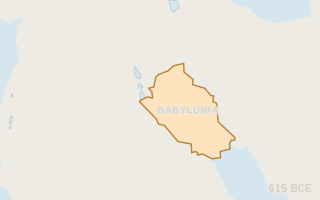
In 620 BCE Nabopolassar seizes most of Babylonia, backed by its people, and holds out for four years against an Assyrian army. In 615 BCE he allies the Babylonians and Chaldeans with Cyaxares, once a vassal of Assyria. The revived kingdom lasts until 539 BCE, when the Achaemenid Empire makes it the satrapy of Babirush.

Watch this act on the live map, from 620 BCE
Babylonia in 615 BCE, last mappedBabylonia in 1800 BCE, first mapped
The rise and the fall in one frame: drag across it from 1800 BCE, first mapped at 7,800 km², to 615 BCE, last mapped at 152,500 km². Open the live map in 1800 BCE or 615 BCE.

Where it sits in time

3000 BCE2000 BCE1000 BCE110002000Babylonia: 1901 BCE – 539 BCE

Five thousand years, 3000 BCE to 2026; the state in gold.

Its people

Lives across Babylonia

Notable figures

How it was governed

108 kings

108 kings on record, 1894 BCE to 539 BCE; a reign lasted 5 years at the median. Each bar is a reign, as long as it lasted.

Sumu-abum · 1894 BCE – 1881 BCE · died in office, manner not recordedHammurabi · 1792 BCE – 1750 BCE · died in office, manner not recordedSamsu-iluna · 1750 BCE – 1711 BCE · the term ends after the recorded deathAbi-Eshuh · 1711 BCE – 1684 BCE · no death date to read the end againstSamsu-Ditana · 1625 BCE – 1595 BCE · no death date to read the end againstKadashman-Enlil I · 1374 BCE – 1360 BCE · no death date to read the end againstBurna-Buriash II · 1359 BCE – 1333 BCE · no death date to read the end againstKurigalzu II · 1332 BCE – 1308 BCE · no death date to read the end againstAdad-shuma-iddina · 1222 BCE – 1217 BCE · died in office, manner not recordedNabu-apla-iddina · 888 BCE – 855 BCE · no death date to read the end againstShamshi-Adad V · 812 BCE – 811 BCE · left office aliveNabû-mukin-zēri · 732 BCE – 729 BCE · no death date to read the end againstTiglath-Pileser III · 729 BCE – 727 BCE · died in office, manner not recordedShalmaneser V · 727 BCE – 722 BCE · died in office, manner not recordedMarduk-apla-iddina II · 722 BCE – 710 BCE · no death date to read the end againstSargon II · 710 BCE – 705 BCE · died in office, manner not recordedSennacherib · 705 BCE – 703 BCE · left office aliveMarduk-zakir-shumi II · 703 BCE – 703 BCE · deposed, the article saysMarduk-apla-iddina II · 703 BCE – 703 BCE · no death date to read the end againstBel-ibni · 703 BCE – 700 BCE · died in office, manner not recordedAššur-nādin-šumi · 700 BCE – 694 BCE · died in office, manner not recordedNergal-ushezib · 694 BCE – 693 BCE · no death date to read the end againstMushezib-Marduk · 693 BCE – 689 BCE · died in office, manner not recordedSennacherib · 689 BCE – 681 BCE · killedEsarhaddon · 681 BCE – 669 BCE · died in office, manner not recordedAshurbanipal · 669 BCE – 668 BCE · left office aliveŠamaš-šuma-ukin · 668 BCE – 648 BCE · died in office, manner not recordedAshurbanipal · 648 BCE – 646 BCE · left office aliveKandalanu · 646 BCE – 627 BCE · died in office, manner not recordedSîn-šar-iškun · 626 BCE – 626 BCE · left office aliveSîn-šumu-līšir · 626 BCE – 626 BCE · the term ends after the recorded deathNabopolassar · 626 BCE – 605 BCE · died in office, manner not recordedNebuchadnezzar II · 605 BCE – 562 BCE · died in office, manner not recordedAmel-Marduk · 562 BCE – 560 BCE · deposed, the article saysNeriglissar · 560 BCE – 556 BCE · died in office, manner not recordedLabashi-Marduk · 556 BCE – 556 BCE · died in office, manner not recordedNabonidus · 556 BCE – 539 BCE · left office alive1500 BCE1000 BCE
How their terms ended, where it is known (25 of 37):Killed 1Deposed or removed 2Died in office 16Left office alive 6Not on record 12
Every term, with how it ended and its source

Rulers

111 terms are shared from Babylon.

How 37 reigns ended - choose one to show only those

How they died, where the record says: killed 2.

RulerReignLengthHow it ended · sourceTo the ruler before
19th century BCE · 1 reign
Sumu-abum · from the line of Babylon · aged 1071894 BCE – 1881 BCE13 yearsdied in officeread off the dates alone
18th century BCE · 3 reigns
Hammurabi · from the line of Babylon · aged 181792 BCE – 1750 BCE42 yearsdied in officeread off the dates alone
Samsu-iluna · from the line of Babylon · aged 421750 BCE – 1711 BCE39 yearsdates disagreeread off the dates alonechild
Abi-Eshuh · from the line of Babylon · aged 901711 BCE – 1684 BCE27 yearsending not on recordchild
17th century BCE · 1 reign
Samsu-Ditana · from the line of Babylon · aged 761625 BCE – 1595 BCE30 yearsending not on record
14th century BCE · 3 reigns
Kadashman-Enlil I · from the line of Babylon · aged 271374 BCE – 1360 BCE14 yearsending not on record
Burna-Buriash II · from the line of Babylon · aged 421359 BCE – 1333 BCE26 yearsending not on recordsibling
Kurigalzu II · from the line of Babylon · aged 691332 BCE – 1308 BCE24 yearsending not on recordchild
13th century BCE · 1 reign
Adad-shuma-iddina · from the line of Babylon · aged 791222 BCE – 1217 BCE5 yearsdied in officeread off the dates alone
9th century BCE · 2 reigns
Nabu-apla-iddina · from the line of Babylon888 BCE – 855 BCE33 yearsending not on record
Shamshi-Adad V · from the line of Babylon · aged 89812 BCE – 811 BCE1 yearleft office aliveread off the dates alone
8th century BCE · 9 reigns · 1 killed or removed
Nabû-mukin-zēri · from the line of Babylon · aged 69732 BCE – 729 BCE3 yearsending not on record
Tiglath-Pileser III · from the line of Babylon729 BCE – 727 BCE2 yearsdied in officeread off the dates alone
Shalmaneser V · from the line of Babylon727 BCE – 722 BCE5 yearsdied in officeread off the dates alonechild
Marduk-apla-iddina II · from the line of Babylon · aged 79722 BCE – 710 BCE12 yearsending not on record
Sargon II · from the line of Babylon · aged 55710 BCE – 705 BCE5 yearsdied in officeread off the dates alone
Sennacherib · from the line of Babylon · aged 40705 BCE – 703 BCE2 yearsleft office aliveread off the dates alonekilledchild
Marduk-zakir-shumi II · from the line of Babylon · aged 98703 BCE – 703 BCEunder a yeardeposedread from the ruler's own article
Marduk-apla-iddina II · from the line of Babylon · aged 98703 BCE – 703 BCEunder a yearending not on record
Bel-ibni · from the line of Babylon · aged 98703 BCE – 700 BCE3 yearsdied in officeread off the dates alone
7th century BCE · 13 reigns · 1 killed or removed
Aššur-nādin-šumi · from the line of Babylon · aged 101700 BCE – 694 BCE6 yearsdied in officeread off the dates alone
Nergal-ushezib · from the line of Babylon · aged 107694 BCE – 693 BCE1 yearending not on record
Mushezib-Marduk · from the line of Babylon · aged 108693 BCE – 689 BCE4 yearsdied in officeread off the dates alone
Sennacherib · from the line of Babylon · aged 56689 BCE – 681 BCE8 yearskilled in officeWikidata's manner of death
Esarhaddon · from the line of Babylon · aged 120681 BCE – 669 BCE12 yearsdied in officeread off the dates alonechild
Ashurbanipal · from the line of Babylon · aged 16669 BCE – 668 BCE1 yearleft office aliveread off the dates alonechild
Šamaš-šuma-ukin · from the line of Babylon · aged 3668 BCE – 648 BCE20 yearsdied in officeread off the dates alonesibling
Ashurbanipal · from the line of Babylon · aged 37648 BCE – 646 BCE2 yearsleft office aliveread off the dates alonesibling
Kandalanu · from the line of Babylon · aged 5646 BCE – 627 BCE19 yearsdied in officeread off the dates alone
Sîn-šar-iškun · from the line of Babylon · aged 75626 BCE – 626 BCEunder a yearleft office aliveread off the dates alone
Sîn-šumu-līšir · from the line of Babylon · aged 75626 BCE – 626 BCEunder a yeardates disagreeread off the dates alone
Nabopolassar · from the line of Babylon626 BCE – 605 BCE21 yearsdied in officeread off the dates alone
Nebuchadnezzar II · from the line of Babylon · aged 37605 BCE – 562 BCE43 yearsdied in officeread off the dates alonechild
6th century BCE · 4 reigns · 1 killed or removed
Amel-Marduk · from the line of Babylon562 BCE – 560 BCE2 yearsdeposedread from the ruler's own articlechild
Neriglissar · from the line of Babylon · aged 41560 BCE – 556 BCE4 yearsdied in officeread off the dates alone
Labashi-Marduk · from the line of Babylon556 BCE – 556 BCEunder a yeardied in officeread off the dates alonechild
Nabonidus · from the line of Babylon · aged 59556 BCE – 539 BCE17 yearsleft office aliveread off the dates alone

108 rulers, 34 with terms dated as terms, covering 1894 BCE – 539 BCE. Median reign 5 years. 3 of 36 handovers irregular - a killing, a deposition, a rival claimant, a rising or a coup beside it. A blank in the last column means no kin on record, which is coverage, never “unrelated”.

The line also names 2 holders with a page of their own whose term the record gives no first year, so the table cannot place them: Agum II, Enlil-nadin-ahi.

Its world

Who else stood

Meanwhile, elsewhere

The best-known states of other regions that stood while it did; the band is Babylonia’s own years.

2000 BCE1500 BCE1000 BCE500 BCE

How it compares

Among 3,073 states

Stood longer than 99% of 3,073 states
Babylonia · 1,362 yearsIndus Valley CivilisationGothsHow long it stood, among the states with a recorded end or still standing.
Held more ground at its peak than 61% of 1,464 states
Babylonia · 226,600 km²UgandaLaosThe most ground it held, among the states with a border in Cliopatria.

Why it fell

Why did Babylonia fall?

Historians still argue. Here is what the atlas records about its last century:

560 BCE

Amel-Marduk, deposed or removed in office

How it ended, as its article says

Conquered by Achaemenid Empire, -0539. Read from the article's section “History - Fall of Babylon” by its grammar; the claim is only that the article says so.

Babylonia was absorbed into the Achaemenid Empire in 539 BC, becoming the satrapy of Babirush (Old Persian: 𐎲𐎠𐎲𐎡𐎽, romanized: Bābiruš).

One sentence of the English Wikipedia article, CC BY-SA 4.0.

Its centuries in the record

2000 BCE – 1901 BCE: 0 recorded — 0 wars and battles, 0 risings, regime changes and massacres, 0 other2000 BCE1900 BCE – 1801 BCE: 1 recorded — 0 wars and battles, 0 risings, regime changes and massacres, 1 other1800 BCE – 1701 BCE: 0 recorded — 0 wars and battles, 0 risings, regime changes and massacres, 0 other1800 BCE1700 BCE – 1601 BCE: 0 recorded — 0 wars and battles, 0 risings, regime changes and massacres, 0 other1600 BCE – 1501 BCE: 0 recorded — 0 wars and battles, 0 risings, regime changes and massacres, 0 other1600 BCE1500 BCE – 1401 BCE: 0 recorded — 0 wars and battles, 0 risings, regime changes and massacres, 0 other1400 BCE – 1301 BCE: 0 recorded — 0 wars and battles, 0 risings, regime changes and massacres, 0 other1400 BCE1300 BCE – 1201 BCE: 1 recorded — 0 wars and battles, 0 risings, regime changes and massacres, 1 other1200 BCE – 1101 BCE: 0 recorded — 0 wars and battles, 0 risings, regime changes and massacres, 0 other1200 BCE1100 BCE – 1001 BCE: 0 recorded — 0 wars and battles, 0 risings, regime changes and massacres, 0 other1000 BCE – 901 BCE: 0 recorded — 0 wars and battles, 0 risings, regime changes and massacres, 0 other1000 BCE900 BCE – 801 BCE: 1 recorded — 0 wars and battles, 0 risings, regime changes and massacres, 1 other800 BCE – 701 BCE: 0 recorded — 0 wars and battles, 0 risings, regime changes and massacres, 0 other800 BCE700 BCE – 601 BCE: 2 recorded — 0 wars and battles, 0 risings, regime changes and massacres, 2 other600 BCE – 501 BCE: 0 recorded — 0 wars and battles, 0 risings, regime changes and massacres, 0 other600 BCE

Wars and battles in red, risings, coups and massacres beside them, everything else in grey, by the century each began in. A tall bar is partly a fact about Wikipedia: better-documented centuries hold more.

Each century’s own page:2000 BCE – 1901 BCE1900 BCE – 1801 BCE1800 BCE – 1701 BCE1700 BCE – 1601 BCE1600 BCE – 1501 BCE1500 BCE – 1401 BCE1400 BCE – 1301 BCE1300 BCE – 1201 BCE1200 BCE – 1101 BCE1100 BCE – 1001 BCE1000 BCE – 901 BCE900 BCE – 801 BCE800 BCE – 701 BCE700 BCE – 601 BCE600 BCE – 501 BCE

Keep exploring

Share this page
Copy link
Embed the map
Cite this page

How this page is made

Drawn from Wikidata (Q47690, CC0), the opening and history of its English Wikipedia article retold by the atlas (CC BY-SA 4.0), borders from Cliopatria (CC BY 4.0), coast and rivers from Natural Earth, cities from Reba, Reitsma & Seto 2016 (CC BY 4.0), and one sentence of the article, quoted. Data built 2026-11-26 · Pastlas v2.47.1, by Oleh Voronko; the published atlas and its data are for non-commercial use.

How to read it

Areas are measured on an equal-area grid from borders simplified to about five kilometres. “c.” marks an approximate date, and a date known to the century is never printed to the year. Counts are what the atlas holds, and they follow Wikipedia’s coverage: a busy century is partly a fact about the record.

Something wrong?

Tell us and name the entry. We fix the data, not just this page.

Report a problem